Kathmandu
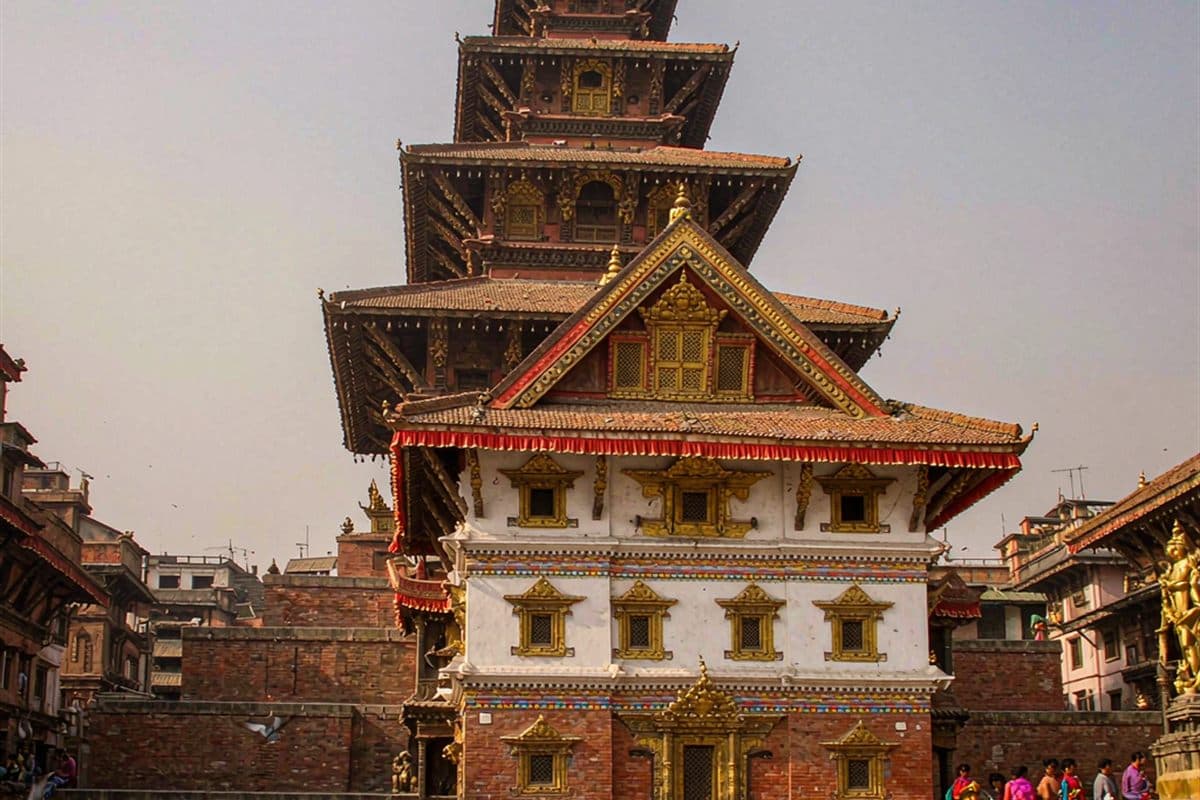
City of temples — the valley with the highest density of temples in the world, where religion and daily life merge seamlessly.
Overview
Kathmandu is the capital of Nepal, home to several World Heritage Sites where ancient temples and modern life stand side by side.
History
The Kathmandu Valley has about 1,500 years of recorded history and was the centre of the Malla and Shah dynasties. The city was founded in AD 723, and between the 14th and 18th centuries the Malla kings divided the valley into the three rival kingdoms of Bhaktapur, Patan and Kathmandu, each competing to build temples and palaces, leaving the densest concentration of medieval architecture in the world. In 1979 the Kathmandu Valley was inscribed as a World Heritage Site as a whole. A major earthquake in 2015 damaged many monuments, and restoration continues.
Highlights
- •Pashupatinath, one of the holiest Hindu sites in the world
- •Patan Durbar Square, a treasury of medieval court architecture
- •Sunrise prayers at Swayambhunath, the monkey temple overlooking the city
- •Boudhanath, one of the largest stupas in the world
- •The Newari architecture of Bhaktapur
Practical tips
- •Allow for the altitude
- •Respect local religious customs
Practical information
- Best time
- October to April
- Tickets
- Pashupatinath about NPR 1,000; Bhaktapur about NPR 1,500
- Opening hours
- Patan Durbar Square about 9:00 to 18:00; temples open all day
- Local food
- Dal bhat, momo dumplings and milk tea
- Getting around
- Traffic in the city is congested; sights can be reached on foot or by taxi, and trekking needs a permit
- Visa
- A visa on arrival is available with a passport valid for at least six months. Trekking routes require a separate TIMS card and conservation area permit.
Traveller reviews
…