Colosseum
★ 4.8🇮🇹 RomeSuggested visit 2-3 hoursBest season April to May and September to October, avoiding summer queues
Ancient RomeWorld HeritageHistoric architectureNew Seven Wonders
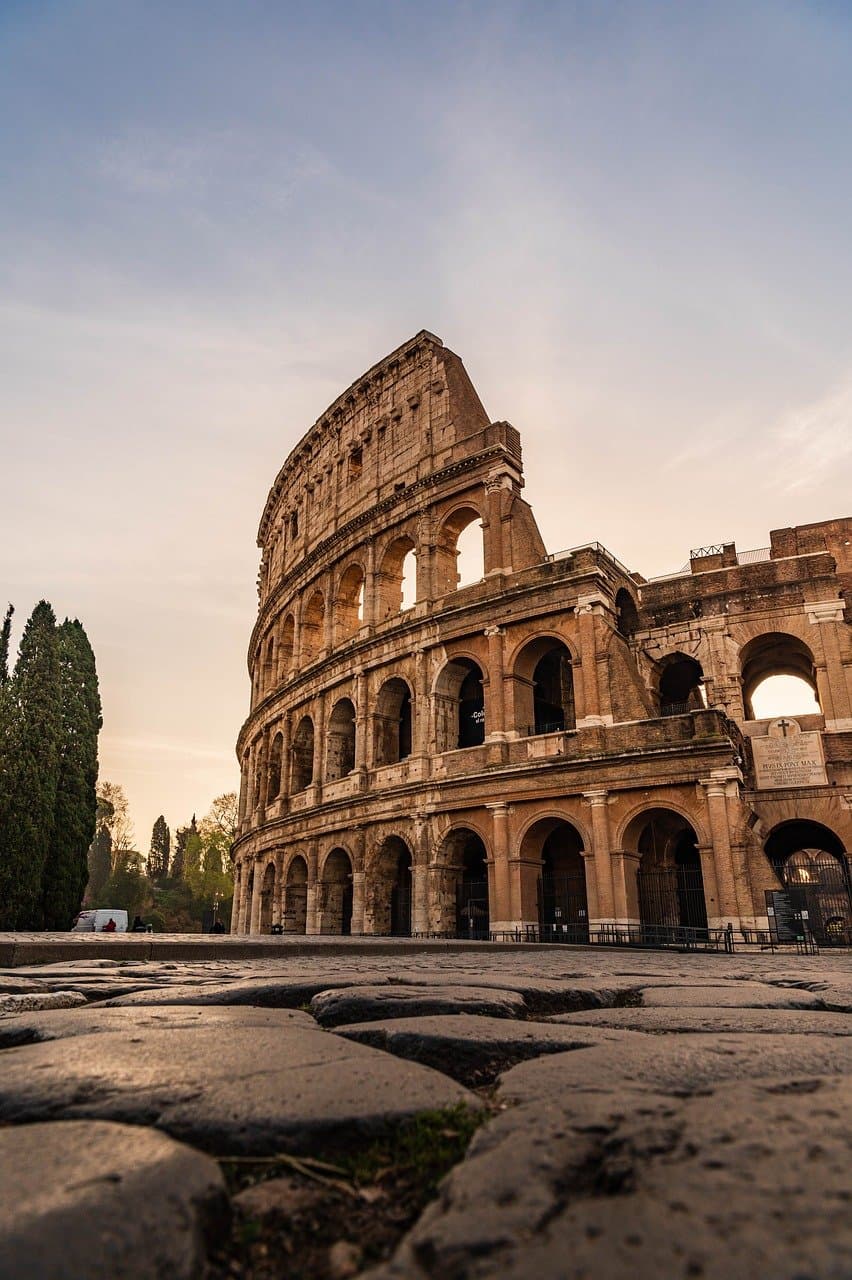
The grandest building of the Roman Empire and the world's largest amphitheatre — once a stage for gladiators and spectacle.
Overview
The Colosseum was the largest amphitheatre of ancient Rome, seating 50,000 spectators. It stands as a witness to the glory of the Roman Empire.
History
The Colosseum, or Flavian Amphitheatre, was built between AD 70 and 80, begun under Emperor Vespasian and inaugurated under Titus. It held between 50,000 and 80,000 spectators for gladiatorial combat, wild beast hunts and mock sea battles. Earthquakes and large-scale stone removal in the Middle Ages left about a third of the structure standing. It became a World Heritage Site in 1980 and one of the New Seven Wonders of the World in 2007.
Highlights
- •The massive four-storey stone arcades
- •The legend of the Roman gladiators
- •The labyrinthine hypogeum beneath the arena
- •Superb views over the Roman Forum
- •A dreamlike glow when lit at night
Practical tips
- •Buy a combined ticket for the Colosseum, Roman Forum and Palatine Hill
- •Bring sun protection in summer
Practical information
- Best time
- March to May, September to November
- Tickets
- EUR 18 for adults including the Roman Forum; online booking skips the queue
- Opening hours
- 9:00–19:00, until 16:30 in winter; free on the first Sunday of each month
- Local food
- Cacio e pepe, pizza and gelato
- Getting around
- Metro and buses cover the main sights, and the historic centre is best on foot
- Visa
- Italy is in the Schengen area and requires a short-stay Schengen visa. Appointments are tight in peak season for Rome, Venice and other popular cities.
Traveller reviews
…