Naqsh-e Jahan Square
★ 4.9🇮🇷 IsfahanSuggested visit 2-3 hoursBest season March to May and September to November, with mild weather
World HeritageHistoric siteArchitecture
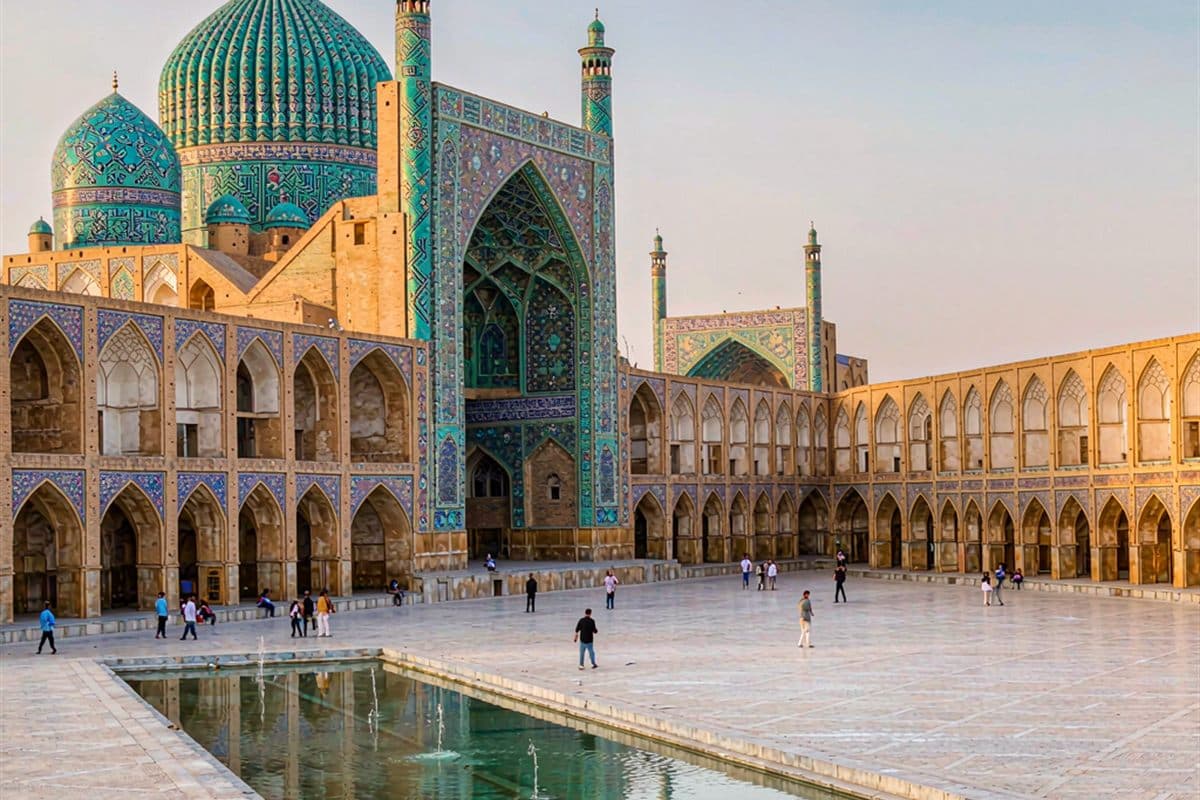
A royal square of more than 80,000 square metres, framed by turquoise-tiled mosque domes and palaces.
Overview
Laid out by Shah Abbas I in the 17th century, Naqsh-e Jahan measures 512 by 163 metres, among the largest urban squares in the world. Its four sides hold the Shah Mosque, the Sheikh Lotfollah Mosque, the Ali Qapu Palace and the Qeysarieh Bazaar gateway, all sheathed in intricate blue and yellow tilework. It is at its best in the evening when fountains and lights come on.
History
Planned after Isfahan became the Safavid capital, it was inscribed with its surrounding buildings on the World Heritage List in 1979.
Highlights
- •The turquoise dome of the Shah Mosque
- •The tilework of the Sheikh Lotfollah Mosque
- •The music room of Ali Qapu Palace
- •Carriage rides and the evening bazaar
Practical tips
- •Dress modestly inside the mosques; women should carry a headscarf
- •The square looks best around sunset
Practical information
- Best time
- March-May, September-November
- Tickets
- The square is free; individual buildings charge entry
- Opening hours
- Square open all day; buildings roughly 9:00-17:00
- Local food
- Isfahani kebab, falafel, rosewater sweets
- Getting around
- In central Isfahan, easy on foot or by taxi.
- Visa
- A visa is required and an e-visa is available; allow about a month.
Traveller reviews
…