Tbilisi
★ 4.7🇬🇪 TbilisiSuggested visit 3-5 daysBest season April to June and September to October, when the weather is most pleasant
Caucasian cultureSilk RoadHot springsWine culture
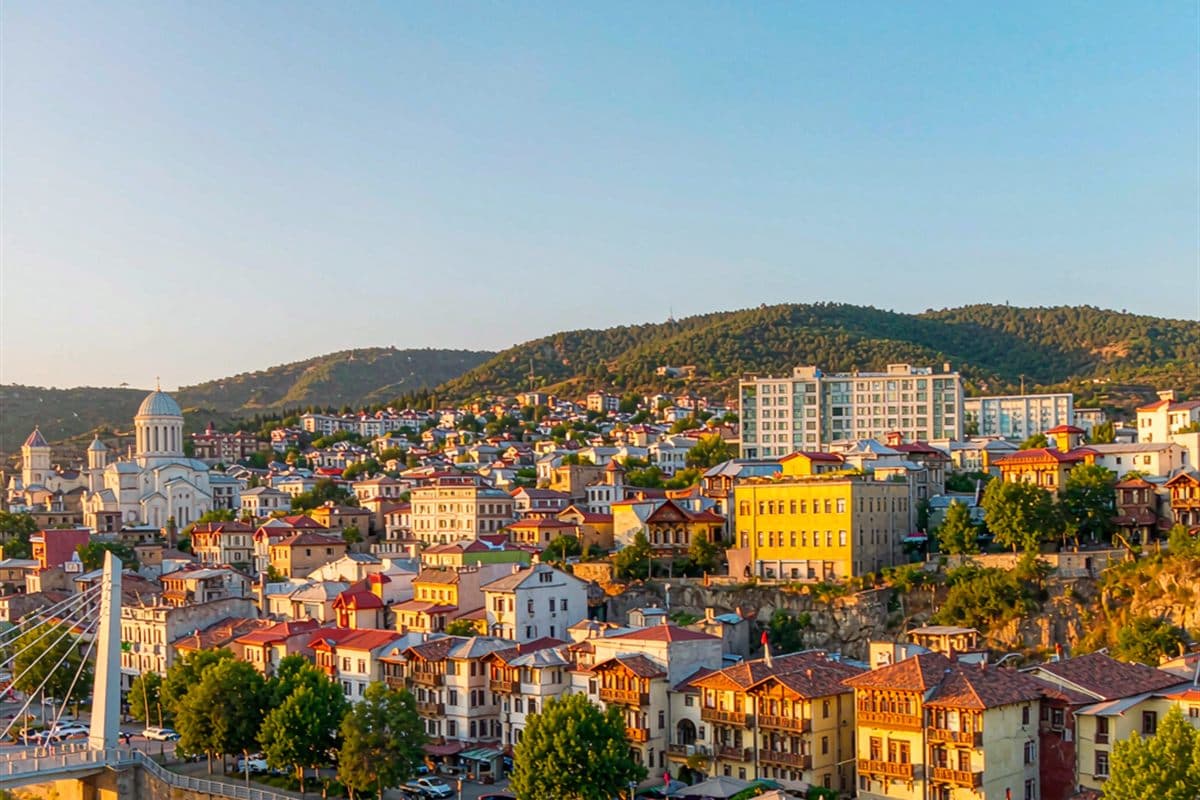
An ancient hill city at the crossroads of east and west, where sulphur baths and Silk Road history meet Caucasian wine culture.
Overview
Tbilisi is the capital of Georgia, its old town full of Persian, Byzantine and European influences and its wine culture quite unlike anywhere else.
History
Tbilisi was founded in the 5th century, its name coming from the Georgian word for warm because of the area's natural sulphur springs. Historically an important Silk Road city linking Europe and Asia, it was invaded in turn by Persian, Arab, Mongol and Ottoman forces. It was absorbed into the Russian empire in 1801, briefly independent in 1918, occupied by the Soviet Union in 1921 and independent again after 1991. The city preserves a diverse architectural heritage including Iranian, Turkish and Russian influences.
Highlights
- •The Narikala fortress ruins overlooking the old town
- •The domed sulphur bathhouses of Abanotubani
- •Colourful old streets lined with ornate cast-iron balconies
- •Traditional Georgian polyphonic singing, recognised by UNESCO
- •Tasting qvevri wine from a wine culture 8,000 years old
Practical tips
- •Georgian wine is a must
- •Prices are low and value is excellent
Practical information
- Best time
- April to June
- Tickets
- Most sights free or inexpensive; baths about GEL 15 to 30
- Opening hours
- City open all day; the sulphur bath district open all day
- Local food
- Georgian dumplings, cheese bread and qvevri wine
- Getting around
- A transit card works on metro and buses, the old town is walkable, and a cable car climbs to the viewpoint
- Visa
- Chinese citizens may enter visa-free for stays of up to 30 days with a passport valid for at least six months.
Traveller reviews
…