Palace Museum (Forbidden City)
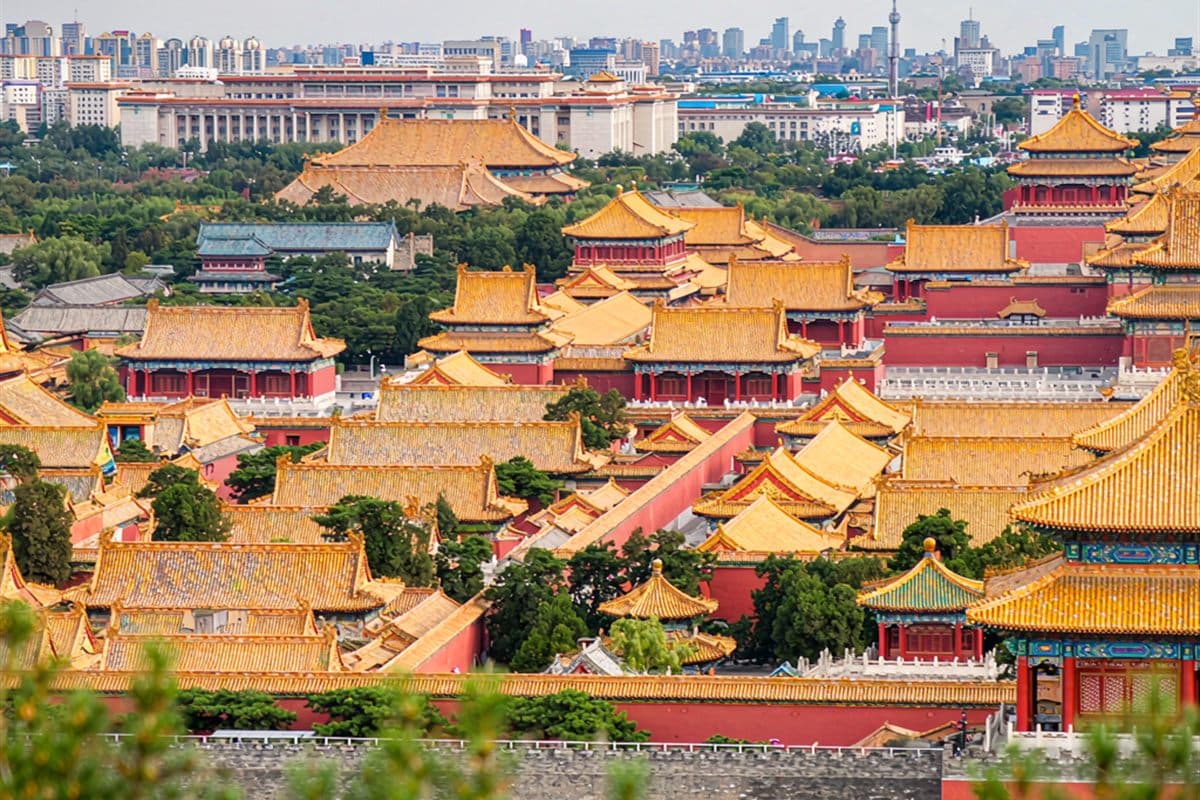
The imperial palace of the Ming and Qing dynasties, one of the largest palace complexes in the world.
Overview
The Palace Museum sits at the centre of Beijing's central axis, covering some 720,000 square metres with more than 70 halls and 9,000 rooms. It is the largest and best-preserved wooden palace complex in the world and the foremost of the world's five great palaces. Its collection of about 1.86 million objects spans painting, ceramics, jade and bronzes, each carrying a thousand years of Chinese civilisation.
History
The Forbidden City was begun in 1406, the fourth year of the Ming Yongle reign, and took 14 years to complete. Twenty-four emperors of the Ming and Qing dynasties lived and governed here until the fall of the Qing in 1912. The Palace Museum opened to the public in 1925 and is now a national key cultural relic protection unit and a World Heritage Site.
Highlights
- •The Hall of Supreme Harmony, the largest wooden hall in China
- •Qing imperial treasures in the Treasure Gallery
- •The Imperial Garden, essence of classical Chinese garden art
- •The axial layout of the three great halls, expressing imperial authority
Practical tips
- •Book tickets on the official website to avoid queuing
- •Weekdays are less crowded
- •Allow four to six hours and prioritise the areas that interest you
- •The Meridian Gate plaza is the best photo spot
Practical information
- Best time
- April to October
- Tickets
- CNY 80 in peak season, CNY 40 in low season, half price for students
- Opening hours
- 8:30 to 17:00, closed Mondays except public holidays
- Local food
- Peking duck, zhajiang noodles, douzhi with fried rings and hotpot lamb
- Getting around
- The metro covers the main sights and is integrated with buses; rush hours are crowded
- Visa
- Domestic travel only requires a valid identity document, with no visa needed. Popular scenic areas and museums generally require real-name reservations booked online in advance.
Traveller reviews
…