Easter Island
★ 4.8🇨🇱 Easter IslandSuggested visit 2-3 daysBest season Year-round; December to March is warmest
World HeritageArchaeological siteIsland escape
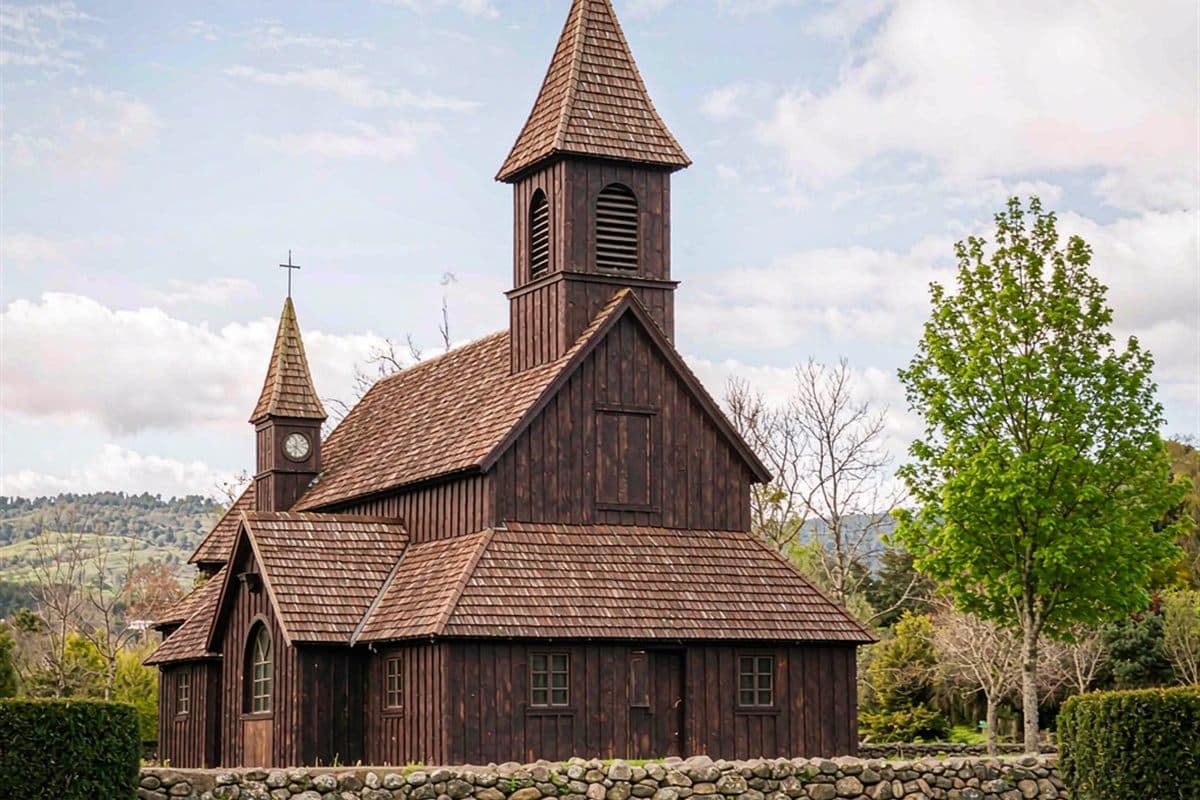
The most isolated inhabited island in the Pacific, watched over by nearly a thousand moai.
Overview
Some 3,700 kilometres from mainland Chile, Easter Island is among the most remote inhabited islands on Earth. About 900 moai statues remain, carved by the Rapa Nui between the 13th and 16th centuries, the tallest over nine metres. Ceremonial ahu platforms, the Orongo village and the Rano Raraku quarry are also here, and the island joined the World Heritage List in 1995.
History
The moai were carved by the Rapa Nui between the 13th and 16th centuries; a Dutch explorer arrived on Easter Sunday 1722 and gave the island its name, and the population collapsed in the 19th century through disease and raids.
Highlights
- •The Rano Raraku quarry
- •Sunrise at the Tongariki ahu
- •The Orongo ceremonial village
- •The moai on Anakena beach
Practical tips
- •Do not touch or climb the statues
- •The island is windy and exposed — bring sun protection and a jacket
Practical information
- Best time
- Year-round
- Tickets
- Park entry about USD 80 for foreign visitors
- Opening hours
- Park 9:00-18:00
- Local food
- Tuna empanadas, grilled fish, tropical fruit
- Getting around
- About 5.5 hours by air from Santiago.
- Visa
- A visa is required; an additional island entry form is completed on arrival.
Traveller reviews
…